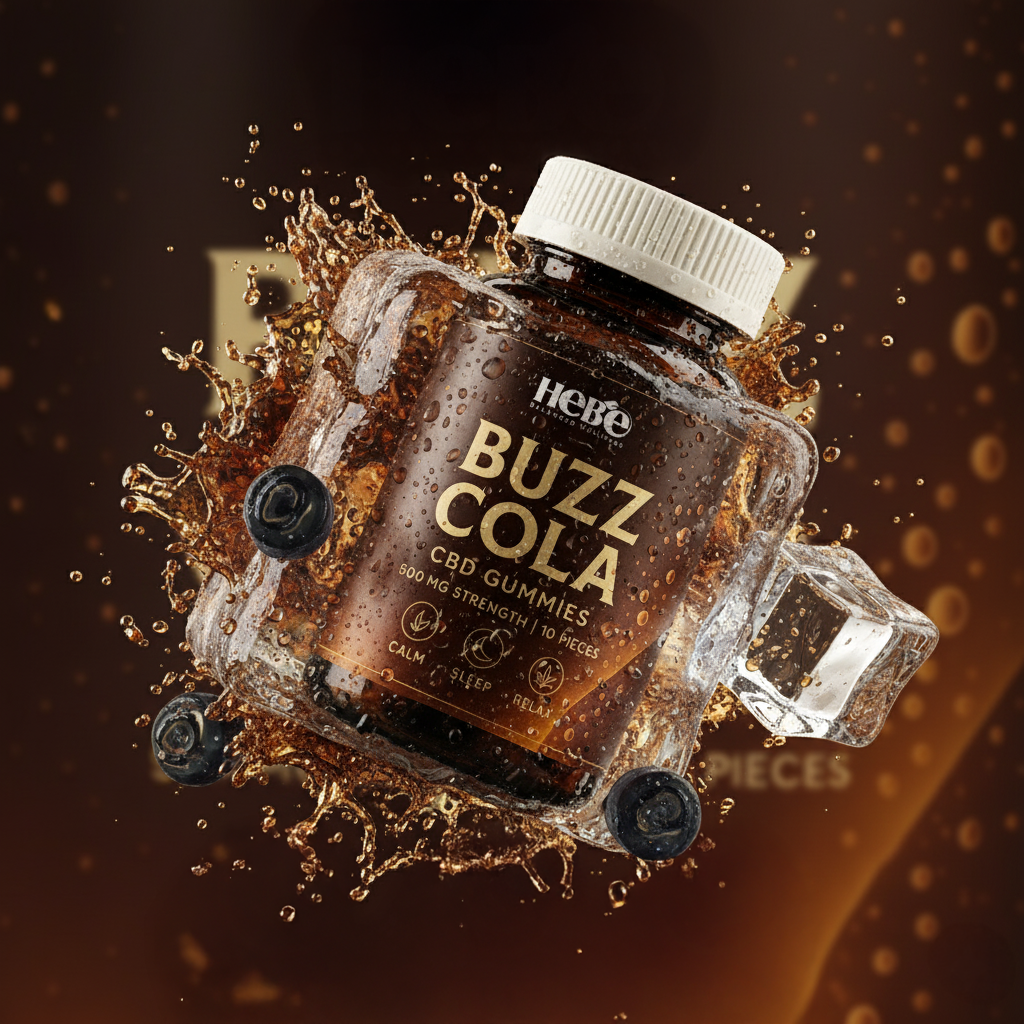
There’s no denying the appeal behind the question “does hemp oil have THC?” It’s a simple question, but there’s a whole world of answers.
Most people get confused when they think about hemp vs. cannabis because - while the terms and the discourse surrounding them are different - they are both derived from the same plant species.
One of the main reasons this is confusing is the fact that “hemp oil” has many different definitions. An example of this is hemp seed oil. This oil is entirely different from a hemp extract that is rich in cannabinoids.
Hemp seeds don’t naturally produce THC or CBD. That being said, sometimes hemp seed derived ingredients can contain trace cannabinoids. They do this because, in the process of harvesting and extraction, seeds can come into contact with the rest of the plant. The U.S. FDA has established this distinction.
Does hemp seed oil contain THC?
The seeds should contain no THC, but because of the contact or contamination of hemp during the harvesting and extraction, some THC can be present.
That should not be interpreted to mean that all products which have the word “hemp oil” on the label are THC-free.
In order to understand why that’s wrong, we need to explore what “hemp oil” really means.
What Is Hemp Oil?
“Hemp oil” doesn’t always mean the same thing across industries and contexts.
Here are some of the more common definitions:
- Hemp seed oil
- Hemp extract oil
- Cannabinoid hemp oil
The term “hemp oil” is used to describe all of these.
Hemp Seed Oil
Hemp seed oil is produced by pressing or extracting hemp seeds.
It is mainly a plant oil containing fats and different parts of the seeds.
Hemp Extract Oil
A hemp extract is made from different parts of the plant and may contain cannabinoids.
Depending on the extraction, processing, and formulation, these cannabinoids may include CBD, THC, and others.
So just looking at the words “hemp oil” on a label will not tell you if a product contains THC.
Does Hemp Seed Oil Contain THC?
This is where the answer gets more complicated.
Hemp seeds do not contain THC naturally.
The FDA states that hemp seeds contain no THC or CBD. However, hemp seed-derived ingredients may contain THC or CBD because hemp seeds come into contact with other parts of the plant during harvest and processing.
So a better way to phrase it is:
THC levels in hemp seed oil are expected to be too low to be significant, but THC levels in some hemp seed oils may be too high to be ignored.
And scientific research shows that the word "trace" does not mean "zero."
A 2024 study tested 30 commercial hemp seed edible oils and found that THC concentrations ranged from 0.2 mg/kg to 6.7 mg/kg. Three of the samples tested hemp seed oil exceeded the Δ9-THC limit permitted by the European Union in that study.
A study looking at hemp seeds and hemp seed oils in 2026 found cannabinoids in the hemp products they studied. This shows how essential analytical testing is to make judgments about the THC content.
Why Can THC Be Found in Hemp Seed Oil If Seeds Don't Produce THC?
It seems to be a riddle, but it is actually somewhat more complicated.
If THC cannot be found in hemp seeds, why can laboratories find THC in hemp seed oil?
The answer is contact and oil processing.
When hemp seeds are harvested, they may come into contact with said seeds:
- Flowers
- Leaves
- Resin
- Plant material
- Dust or residues from other parts of the plant
The oil that is produced may contain very small amounts of cannabinoids.
Therefore, the statement, "does not naturally contain THC" cannot be the same statement as "laboratory testing will always show zero THC."
This is very important to the consumer, manufacturer, and regulator.
Is Hemp Oil the Same as THC?
No.
Hemp oil is a product, THC is a cannabinoid. They cannot be interchangeable terms.
It is worth noting that if hemp is the source plant for the oil, that oil is not automatically a THC product.
Likewise, a cannabinoid hemp extract should not be automatically thought of as hemp seed oil.
The actual product is relevant.
Does Hemp Oil Get You High?
Properly produced hemp seed oil will not cause an intoxicating ‘high.’
The FDA claims trace amounts of THC and CBD in hemp seed-derived food ingredients will not cause a ‘high.’
While this claim is accurate, do not generalize this statement to all products labeled as ‘hemp oil.’
Extracted cannabinoids, containing significant THC, are not the same as hemp seed oil.
So always look to:
- Ingredients
- Cannabinoid Content
- Certificate of analysis (if available)
- THC standard
- Product classification
- Intended use
Is Hemp Oil Considered a Drug?
Just because hemp seed oil is produced from the hemp plant, does not classify it as a drug.
Classification depends on the product, constituents, intended use and regulations applicable to the product.
This is especially important in India.
The NDPS Act defines certain materials of cannabis and covers charas and ganja, but excludes seeds and leaves when not combined with the flowering or fruiting tops. Medicinal cannabis is defined as an extract or tincture of cannabis.
Therefore, one should not say,
“All hemp made items are legal.”
or
“All cannabis made items are drugs.”
The proper factoring components of the plant, extraction, composition, intended use and regulations should be considered.
FSSAI has outlined parameters regarding hemp seeds and their products for the sale of hemp seeds and hemp products as foods within India. These parameters include a restriction on total THC content and how such products can be sold.
Does Hemp Oil Possess THC?
Generally, hemp seed oil would not have enough THC to give an intoxicating effect when manufactured properly.
There's an important distinction between having a product that contains “zero THC” and having a product that contains THC “within specified limits.”
Modern analytical equipment is extremely sensitive and can detect trace amounts of cannabinoids.
A product may still satisfy a regulatory requirement even if it yields a measurable result in a lab.
As a result, reputable manufacturers will rely more on testing and specifications than broad claims like “100% THC-free” unless that claim is supported by a lab test.
Does Hemp Seed Oil Include CBD?
This principle applies to CBD as well.
Hemp seeds naturally do not produce CBD.
However, CBD can be found in traces in hemp seed-derived ingredients from contact with other hemp or cannabis during the growing and harvesting process. The FDA states this.
This is another reason why,
hemp seed oil ≠ CBD oil
CBD oil is formulated to contain CBD, whereas hemp seed oil is a seed-derived plant oil.
Even though they sound the same, they are different both chemically and in commercial terms.
Is Hemp as Potent as THC?
This requires some more explanation.
Hemp cannot be directly compared to THC in terms of “hemp strength” because hemp encompasses multiple cannabinoids.
Hemp can refer to either the cannabis plant or material approved by the law.
THC is one of the more than 100 cannabinoids. In most cases, THC is the primary psychoactive component.
Comparing THC to hemp seed oil is not logical for “hemp strength” or psychoactive strength since hemp seed oil is not produced for THC concentration or for any intoxicating effects.
Comparing THC to hemp flower and extracts depends on the cannabinoids present in the flower/extracts.
When in doubt, it is important to look at lab results before assuming the strength of a “hemp” product.
Can Hemp Seed Oil Make You Fail a Drug Test?
This is a question people want a simple answer to, but it’s more complex.
A properly manufactured hemp seed oil contains very low levels of THC, but trace amounts can be present. The outcome of drug testing can vary, based on the product, the amount consumed, the testing method, and cutoff/sensitivity.
A product with THC in trace amounts is very different from a THC-containing product.
Consuming hemp products does not guarantee a negative drug test result.
If you are subject to any types of drug testing (work, athletic, legal, etc.), do not make the mistake of assuming a hemp products guarantee a negative result.
For strict drug testing, checking lab reports is more important than listening to general explanations about hemp.
How do you differentiate hemp oil that contains THC from hemp oil that does not?
If you are concerned about THC content, do not just look at the front of the bottle. Look at the information at the back.
Check for:
Listed Ingredients
See if the product says hemp oil or hemp extract.
Cited Cannabinoids
See if they mention THC, CBD, and other cannabinoids.
Certificate of Analysis
A COA from an independent lab will give more info about cannabinoids than what you’d find in the product’s description.
Batch Number
Ideally the lab report is for the product and batch you are intending to purchase.
Regulatory Compliance
This may vary depending on the product and location.
Does "THC-Free" Really Mean THC-Free?
This may be the case, but not always.
This is an important distinction.
“THC-Free” is used differently by different companies and may refer to a product that tests below a certain limit.
Analytical laboratories have limits of quantification and detection.
This means that “THC-Free” is ultimately interpreted as being below whatever quantification/detection limit was used in a given test.
Therefore, the most important question is:
What testing method was used, and what was the lab’s detection and quantification limit?
That is a lot better way of evaluating the claim than what is stated by the manufacturer.
Is Hemp Seed Oil Legal?
There is not a single, universal answer to this question.
Cross-country laws regarding hemp and CBD products usually classify them by:
- Hemp seeds
- Hemp seed oil
- Hemp extracts
- CBD products
- THC products
- Food
- Cosmetics
- Medicines
For example, FDA commissioner Scott Gottlieb mentioned in 2019 that hemp seed derived products like hemp seed oil, which the FDA has previously reviewed and determined to be Generally Recognized As Safe or GRAS in some food uses, remain subject to federal laws and regulations.
While, FSSAI, in India, has created separate food regulations for food products made from hemp seeds and hemp seed products, as well as specified a total THC limit of 5 mg/kg for other food products made with hemp seed/hemp seed products, and other provisions.
Instead of making blanket global statements, it is more accurate to say:
“The legality of hemp oil depends on what the product actually contains, how it is classified and where it is being sold.”
The issue with the label “hemp”.
The term hemp, describes a plant and nothing more.
Two products can use the word "hemp" and have completely different product compositions.
For instance, Hemp seed oil and hemp derived cannabinoid extract are not comparable products.
One may be a common plant based oil, and the other may contain cannabinoids.
Because of this, it is important to look beyond terminology on labels. You need to check the ingredient panel, cannabinoid profile along with available lab reports.
What Does Research Say About THC in Hemp Seed Oil?
Scientific testing can help clarify why the answers cannot be simply “zero” or “yes.”
In 2024, one group of researchers analyzed 30 types of commercially available hemp seed edible oils, and reported detectable levels of Δ9-THC in all samples, with a range of concentrations from 0.2 mg/kg to 6.7 mg/kg. The group said the varying levels of THC could be attributed to the different processing variables.
Prior studies report development of methods to analyze THC and other cannabinoids in hemp seed oils.
Additionally, in 2026, in a forensic analysis of commercially available hemp seeds and hemp seed oils, a group of researchers also reported detectable levels of cannabinoids in the majority of samples, further promoting the need for product specific analyses.
Hemp seed oil does not equate to THC containing product. The more important take away is THC and “hemp seed oil” are not interchangeable.
Frequently Asked Questions
Does hemp oil contain THC?
Depends, what does the manufacturer mean by “hemp oil”? Generally speaking, hemp oil does not have THC, but depending on the manufacturer's processing and harvesting, trace THC levels may exist. Hemp extracts can have very different cannabinoid profiles.
Does hemp seed oil contain THC?
Hemp seeds don’t have THC, but THC may exist in hemp seed oil from other parts of the plant THC may have been in contact THC may have been in contact with during harvesting and processing.
Is hemp oil the same as THC?
No. THC is a specific constituent in cannabis that is naturally occurring in the hemp plant, while hemp oil is a processing or an ingredient.
Is hemp oil a drug?
Not all the time. This is determined by the specific product and law that applies.
Is hemp as potent as THC?
Since ‘hemp’ is not a specific cannabinoid, it cannot be compared to THC. Hemp seed oil is not expected to produce effects associated with THC.
Does hemp seed oil get you high?
Properly refined hemp seed oil is not expected to produce an intoxicating effect. The FDA notes that the levels of trace cannabinoids in hemp seed-derived food ingredients are not expected to produce intoxicating effects.
Is hemp seed oil similar to CBD oil?
No. Hemp seed oil is a plant oil and is derived from hemp seeds. CBD oil is a product designed to contain cannabidiol.
Can hemp seed oil contain trace amounts of THC?
Yes. While hemp seeds themselves do not produce THC, trace THC can be present due to contact with other parts of the plant during harvesting and processing, and measurable THC has been found in some commercial hemp seed oils.
How can I check the THC content of hemp oil?
Look for a product specific Certificate of Analysis (COA) from an appropriate laboratory and see the THC level and testing limit.
Final Analysis: Does Hemp Oil Contain THC?
The answer isn’t just yes or no.
It really depends on what “hemp oil” is referring to.
If hemp oil is referring to hemp seed oil:
Hemp seeds do not produce THC, however, trace THC may be present due to contact with other parts of the hemp plant during harvest and processing.
When referring to a hemp extract:
Depending on how it was produced or formulated, the product can contain any cannabinoid, and can also have THC.
The best way to approach this is to:
Not evaluate an oil based on the inclusion of the word “hemp”. Determine the source, the ingredients, the cannabinoid profile, the lab reports, and the pertinent regulations.
Disclaimer: This article is for educational and informational purposes only and should not be considered medical or legal advice. Cannabinoid content and regulations may vary by product and jurisdiction. Always check the product's laboratory information and applicable local regulations before use.