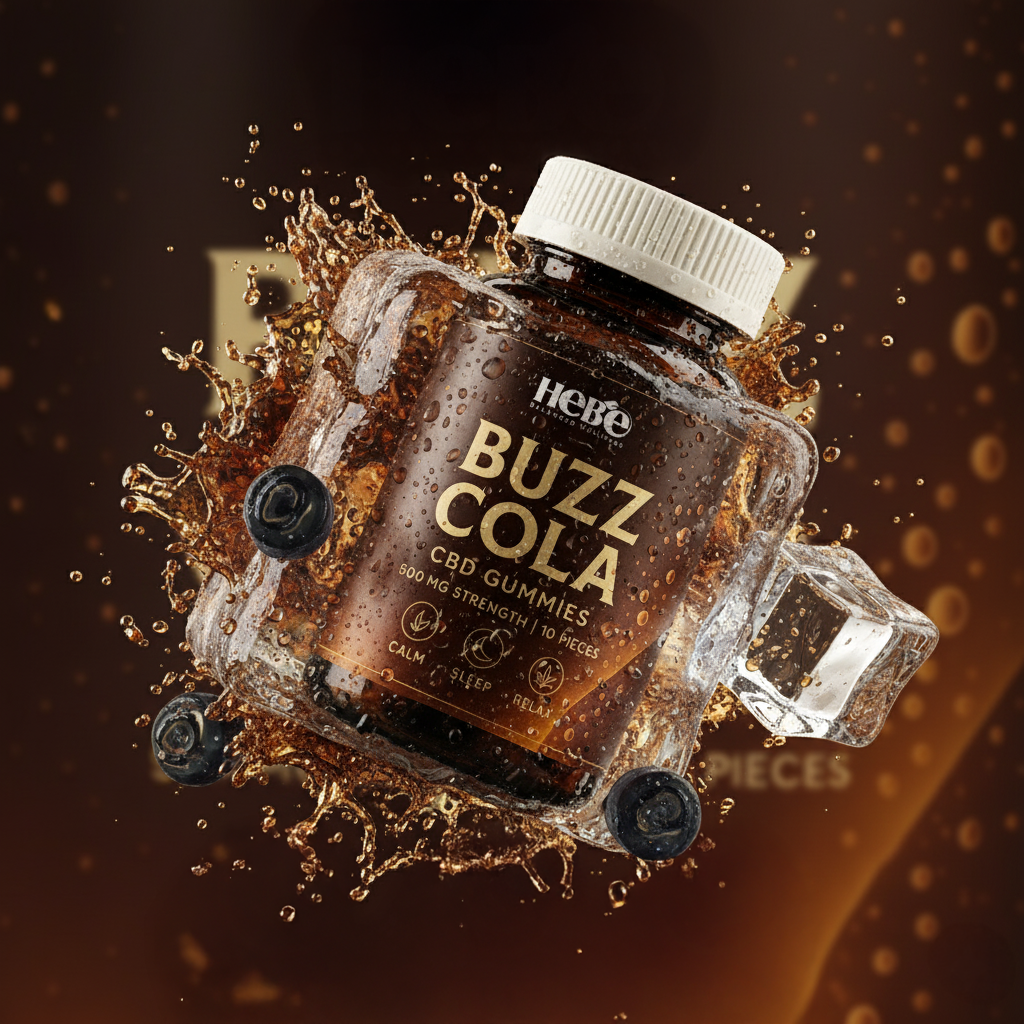
Different types of CBD and product formats can feel confusing at first, but understanding them makes it much easier to choose what actually fits your health goals. This guide breaks everything down in simple language, from core CBD “spectrums” to oils, edibles, isolates, and common medical questions.
Main CBD Spectrums Explained
There are three primary spectrums you’ll see on labels worldwide: full spectrum, broad spectrum, and isolate.
Full spectrum
Includes CBD plus other cannabinoids (like CBG, CBN), terpenes, flavonoids, and a small amount of THC (usually within legal limits). This mix can create an “entourage effect,” where compounds work together for broader benefits such as pain relief, mood balance, and sleep support.
Broad spectrum
Contains CBD and several additional plant compounds but is refined to remove detectable THC. It is popular among people who want more than just CBD but prefer to avoid THC for legal, workplace, or personal reasons.
Isolate
Pure CBD with no other cannabinoids or terpenes, usually above 99% purity. It is flavourless and ideal when someone needs exact dosing or must completely avoid THC.
Each spectrum has a different interaction profile with the endocannabinoid system, so the “right” choice depends on tolerance, legal context, and specific health priorities.
Different Type of CBD Products
Beyond the spectrum, CBD comes in multiple delivery formats. Oils, edibles, capsules, topicals, and more each change how quickly CBD works and how long effects last.
Oils and Tinctures
CBD oils are among the most common and versatile options. These are liquid extracts taken under the tongue or added to food and drinks.
-
Allow flexible dosing drop by drop
-
Come in all spectrums and strengths
-
Start working within 15–45 minutes for most people
They are ideal for users who want fine control over their intake or who manage ongoing conditions such as anxiety, pain, or sleep issues.
Capsules and Softgels
Capsules package a fixed dose of CBD in an easy‑to‑swallow format.
-
Offer consistent, predictable servings
-
Work well in daily supplement routines
-
Have a slower onset (about 1–2 hours) but often provide longer‑lasting effects
These are useful for people who dislike the taste of oils or who prefer pill‑style convenience.
Edibles and Gummies
CBD edibles include gummies, chocolates, beverages, and other infused foods.
-
Simple to take with pre‑measured amounts
-
Discreet for public or office use
-
Absorbed through digestion, so onset is slower but may last several hours
They are especially popular for stress, general relaxation, and sleep support, though dosing can be less flexible compared with oils.
Topicals and Balms
Topical CBD products such as creams, balms, roll‑ons, and patches are applied directly to the skin.
-
Target local areas like joints, muscles, or irritated skin
-
Typically do not produce systemic effects or intoxication
-
Can be combined with ingredients such as menthol, camphor, arnica, or botanicals for added comfort
These are often used for arthritis pain, sports recovery, or skin‑focused concerns.
Vapes and Inhalation Products
Inhaled CBD via vape pens or cartridges offers the fastest onset because it reaches the bloodstream through the lungs.
-
Effects can start within minutes
-
Duration is shorter than oral products
-
Safety considerations around lung health and additives mean users should be cautious
Many health professionals now prioritise oral or topical routes over inhalation for long‑term wellness.
Types of CBD Edibles
Within the broader edible category, there are several specialized product styles.
-
Gummies – fruit‑flavoured chewables with a set CBD dose per piece
-
Baked goods – brownies, cookies, or bars that combine CBD with standard recipes
-
Infused drinks – CBD coffees, teas, sparkling waters, or juices
-
Functional snacks – protein bars or wellness bites that pair CBD with vitamins or herbs
Most are built around broad spectrum or isolate to streamline regulation and avoid intoxication, though full spectrum options also exist in some markets.
Types of CBD Oil by Composition
Oils can be further grouped by underlying plant extract and carrier.
-
Hemp‑derived CBD oil – made from industrial hemp varieties low in THC; dominates global wellness markets
-
Cannabis‑derived CBD oil – sourced from medicinal cannabis plants; may carry higher THC and require prescriptions in many regions
-
MCT / coconut‑based oils – popular carriers that improve absorption and shelf stability
-
Hemp seed carriers – provide extra omega fatty acids and a more herbal flavour profile
Some formulations also enrich CBD with minor cannabinoids such as CBG or CBN for sleep or focus‑oriented effects.
CBD Isolate Forms
CBD isolate appears in several product types beyond simple powder.
-
Crystalline powder for custom formulations or mixing into foods
-
Vape concentrates for precise inhalation dosing
-
Tablets or capsules where zero THC is a priority
-
Cosmetic actives added to serums or creams
Because isolate contains only CBD, it avoids entourage interactions but offers maximum control for research or very sensitive individuals.
CBD and Types of Pain
Research suggests that CBD can help with multiple forms of discomfort, including inflammatory, neuropathic, and mixed pain states.
-
Full spectrum oils and topicals show promise for osteoarthritis and chronic joint pain
-
Oral CBD may reduce overall pain scores and improve sleep quality in some chronic pain conditions
-
Topical formulations have been effective in clinical trials for localized symptoms such as arthritis‑related stiffness or skin‑linked pain
However, responses vary between individuals, and more large‑scale studies are needed. Users should speak with a healthcare professional before replacing prescribed pain medications.
Information on Different Types of CBD Operation
CBD’s action depends not just on form, but on how the body processes each route of administration.
-
Sublingual oils: absorbed partly through oral tissues and partly through digestion; moderate onset and good bioavailability.
-
Edibles and capsules: processed through the digestive system and liver; slower onset but longer duration because of gradual release.
-
Topicals: act mainly on local cannabinoid and pain receptors in skin and underlying tissues; minimal systemic exposure.
-
Inhaled forms: reach systemic circulation quickly but dissipate faster and may carry more respiratory risks.
Understanding these operational differences helps match product type to goals- fast acute relief versus steady, long‑term support.
FAQs About Different Types of CBD
What are the different types of CBD plants?
Most commercial CBD comes from hemp‑type Cannabis sativa plants bred to produce high CBD and very low THC. Some medicinal programs also use selected cannabis chemovars with balanced or CBD‑dominant cannabinoid profiles.
What is the difference between CBD, CBN, and CBG?
-
CBD (cannabidiol): widely studied for effects on pain, anxiety, sleep, and inflammation without strong intoxication.
-
CBN (cannabinol): a mildly psychoactive breakdown product of THC; often marketed for sleep support, though evidence is still emerging.
-
CBG (cannabigerol): a “parent” cannabinoid that may aid focus, mood, and inflammation, but currently has fewer clinical studies.
Many full and broad spectrum products contain a mix of these to leverage synergy.
Which form of CBD is most effective?
Effectiveness depends on what someone is treating and their body chemistry.
-
Full spectrum oils often provide the broadest effects because of the entourage effect.
-
Broad spectrum is preferred when THC avoidance is essential.
-
Isolate can be useful for very controlled dosing or clinical study settings.
For localised pain, a topical may outperform oral forms, whereas systemic anxiety might respond better to sublingual or edible routes.
What are the two major CBD spectrums?
Most discussions focus on full spectrum and broad spectrum as the two major spectrums, with isolate considered a third, more specialised option.
How many different CBD forms are there?
Counting spectrums and product formats, there are dozens of combinations: oils, capsules, gummies, drinks, topicals, vapes, suppositories, patches, and more, each available as full spectrum, broad spectrum, or isolate.
Which type of CBD is most effective overall?
For many wellness goals, full spectrum options typically provide the most robust effects thanks to the entourage mechanism - especially for complex issues like chronic pain, sleep disruption, or mood imbalance. That said, individual response and legal context must guide the final choice.
What types of drugs are CBD?
CBD is not a classic pharmaceutical drug on its own in most countries, but one purified form has been approved as a prescription medicine for rare seizure disorders. Over‑the‑counter CBD products are usually regulated as supplements, cosmetics, or special cannabis preparations depending on local law.
What are the three core spectrums of CBD?
The three standard spectrums are full spectrum, broad spectrum, and isolate, each describing which cannabis compounds besides CBD are present in the final extract.
What are the main types of CBD oil?
The main oils are full spectrum, broad spectrum, and isolate‑based tinctures, often combined with carriers like MCT or hemp seed oil and sometimes infused with flavours or added botanicals such as melatonin or herbs.
What is the best form of taking CBD?
For flexibility and quick adjustment, sublingual oils are usually considered the most practical starting point. People who prefer simplicity may choose capsules, while those seeking localised relief might rely primarily on topicals.
What form of CBD lasts the longest?
Edibles and capsules typically last longest because CBD is released gradually during digestion and metabolism, providing sustained blood levels for several hours.
Which type of CBD is best for inflammation?
Research points towards full spectrum CBD - especially when delivered orally or topically - as a strong candidate for inflammatory conditions because multiple cannabinoids can act on various receptors and signalling pathways.
How many CBD products are FDA‑approved?
As of now, only one purified CBD medicine is officially approved by the U.S. FDA for specific seizure disorders, while most other products on the market remain unapproved supplements or wellness items.
Is CBN a sativa or indica?
CBN is not a plant variety like sativa or indica; it is a cannabinoid molecule that can be produced in any cannabis strain when THC oxidises over time.
Understanding the many types of CBD - spectrums, formats, and plant compounds - turns a crowded marketplace into a set of clear options. With this framework, you can match the right product to your goals, ask sharper questions about quality and testing, and use CBD in a way that is both safer and more effective.
India’s regulated brands offer the simplest way to purchase “Buy CBD Oil India” and “Best CBD Gummies” for anxiety relief, wellness, and peace of mind.