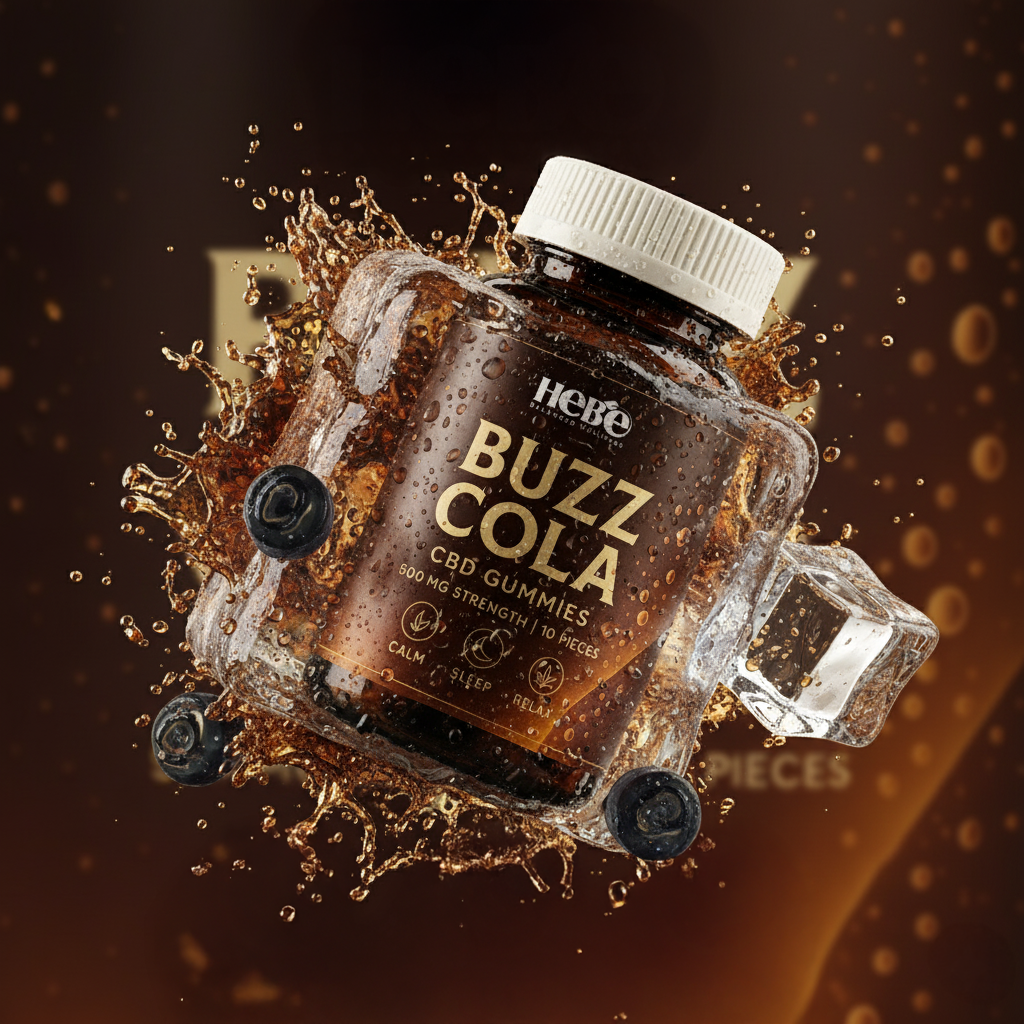
The terms THC oil, cannabis oil, CBD oil, full spectrum oil, hemp oil, and RSO all describe different types of extracts and oils.
It’s easy to confuse them, especially since many people use the term “oil” to describe the final product, and “THC” to describe the cannabinoid that is present in it.
So, what is THC oil?
Also known as marijuana oil, THC oil is a cannabis extract that is oil-based, and contains THC. Because cannabis contains a wide variety of cannabinoids and other chemical compounds, the nature and the composition of cannabis oil can vary depending on the plant material and the extraction process.
There’s a lot more to THC oil than this, and to fully understand it, you will also have to learn about THC, the differences between cannabis and hemp extracts, what is meant by the term “full spectrum,” understand cannabis oil concentration, and why two products that are labeled as “cannabis oil” can be very different.
We will cover all of that and more.
What is THC?
As you can probably guess, THC is an abbreviation and stands for tetrahydrocannabinol. It is just one of the many cannabinoids that are found in the cannabis plant.
THC has psychoactive properties and can alter a user’s perception, mood, and other cognitive functions. The CDC has defined THC as an impairing or mind-altered cannabinoid.
When evaluating cannabis products, it is important to identify THC containing products separately from CBD or other hemp products.
Products that contain THC should not be treated the same as CBD products.
How THC Oil is Made
There are numerous ways to manufacture products from cannabinoids.
The final product of the manufacturing process may contain:
- THC
- Other cannabinoids
- Terpenes
- Other compounds found in the cannabis plant
- A base or other ingredients for product formulation
Why is THC Oil so Misunderstood?
There are numerous methods to manufacture a product from a cannabinoid and emphasizing that a product is THC oil does not eliminate other compounds that may be present in the final product.
It is important to read the label of the product to assess the quality and safety of the product.
Cannabis oil is a broad term that describes an oil-based product of cannabis, and may contain other cannabinoids, THC, and other compounds of the cannabis plant.
The following terms could be used to describe a product:
Terms relating to individual cannabinoids, e.g. :
- THC,
- CBD, or
- other cannabinoids.
Terms relating to cannabinoid extractions, e.g. :
- Full-spectrum extracts,
- Broad-spectrum extracts, or
- Cannabinoid profile extractions.
As such, when a product is described as cannabis oil, this does not provide any information regarding the concentration of THC or other cannabinoids.
Information regarding the actual product will provide the details required.
CBD oil does not contain significant levels of THC and will therefore not result in an intoxication or ‘high’ effect.
Other cannabinoids present in the product may however result in the ‘high’ effect.
Also, consider that:
Oil is the medium or delivery system for THC, and therefore THC oil and CBD oil are not the same thing.
Hemp seed oil is not equivalent to cannabis or cannabis-like extracts, and therefore should not be considered to contain significant amounts of cannabinoids.
Hemp seed oil and THC oil are not the same. Because of this, the word hemp alone does not help determine the cannabinoid profile of a product.
When evaluating hemp-derived products, look for information related to:
- Cannabinoid profile
- Amount of THC (and/or CBD)
- Total amount of all cannabinoids
- Ingredients
- Information related to the product batch and/or lot
- Results from testing conducted on the product
For additional information on hemp and THC, please see our existing resource on Hemp Oil and THC.
What is Full-Spectrum THC Oil?
Products labeled full-spectrum contain all of the cannabinoids and terpenes of the cannabis plant in the given extract.
To determine more specific information about a product, such as potency, ask the manufacturer for a Certificate of Analysis (COA) or look at the product's label.
THC-containing products are used in both the medical and recreational markets. Which market a product is in depends on the regulations in the jurisdiction.
Some prescription drugs contain synthetic cannabinoids, and some cannabis-derived drugs are approved for certain medical conditions. Not all cannabis products, and not all products containing THC, are approved drugs. THC products are still considered to be unapproved drugs, even if they are marketed as cannabis products.
Knowing the differences in the products and their marketing claims can help you understand the medical claims and conditions treated by various products.
Being "natural," "full spectrum," or "plant-based" does not mean a product is effective for treating a medical condition.
There are several reasons to consider THC-based products for medical conditions. However, the best person to consult with regarding your condition is your health care professional.
How do THC products work?
Cannabinoids, such as THC, are naturally produced in the body. THC bonds with cannabinoid receptors to help regulate body functions. THC has a greater effect on body functions regulated by the cannabinoid receptors located in the brain. Some of these body functions include, but are not limited to, perception, memory, and mood. THC affects different people in different ways.
As noted by the Centers for Disease Control and Prevention (CDC), several factors influence the effects of using cannabis including, but not limited to, the concentration of THC, how often it is used, and how it is used.
Knowing the THC concentration of a product does not help predict how a person will be affected or the kind of experience that person will have.
There are many factors that can affect the experience a person has when using a THC product. Some of these factors include the concentration of THC in the product and whether other ingredients are present. Products with higher THC concentrations can more strongly affect a person's brain and body. Products that contain other ingredients, in addition to THC, can more strongly affect a person.
What does the following mean?
1. Total amount of THC
The total amount of THC is the most important factor in determining the strength of a cannabis product. Often, packaging will only provide the percentage or ratio of THC, which is less useful.
2. Route of administration
Inhaled THC products (joints, vape, etc.) have a rapid onset of action and short duration of effect, while edibles can take up to 2 hours to fully take effect, and the effects last several hours.
3. Previous experience
A person who is experienced with THC will have a different effect from a person who has never used THC.
4. Individual Differences
variation in body chemistry (e.g. metabolism, body size) can affect how a person is impacted by THC.
5. Other drugs
Using cannabis with alcohol or other drugs will change how a person is impacted and adds to the risks.
It is often difficult to know how a person will be affected by THC based on their individual circumstances. Assuming a standard will put people at risk.
What does THC Concentration Mean?
THC Concentration is the amount of THC in a cannabis product.
There are various ways to describe the THC content of a product including percentage, ratio, milligrams, servings, total cannabinoids.
Products cannot be considered equivalent based on THC concentration alone. Total cannabinoid content and serving size also have to be considered.
Capsules, concentrates, and gummies are just some of the many forms of THC products.
THC oil is just one of the many forms of cannabinoids.
Oils and extracts are just two of many forms of cannabinoids.
Additional forms of cannabinoids include:
- Prescription forms
- Edible forms (i.e. candies and beverages)
- Concentrates
- Capsules
The method of delivery affects the onset of the symptoms.
Edible products (i.e. candies) take longer to affect the user.
This unpredictability can result in adverse effects on users, particularly if users misunderstand the effects and dose of the product.
For additional information, please see our post, THC Oil vs THC Gummies.
Is THC Oil the same as RSO?
No.
RSO is a specific type of extract. THC oil can be any cannabis extract.
RSO is a specific type of extract and formula that was popularized by a specific individual.
THC oil can be of any consistency and contain any other constituents of the cannabis plant.
RSO and THC oil can and do contain different constituents.
For more info, check out THC Oil vs. RSO.
Is THC Oil Safe?
There are many factors that affect the safety of a product, including, the user, the environment, and the formulation.
Cannabis, in general, can negatively affect memory and judgment. Users can also become disinhibited, which increases the likelihood of risky behavior.
Some important things to consider are:
- Do not drive or operate machinery under the influence.
- Medical advice should be sought before using THC in combination with alcohol or other substances.
- Children and those with no need to use THC products should not be given THC products.
- THC products should be used in accordance with medical instructions, if any.
- Consider the THC content and other ingredients of the product.
Caution should be exercised with any product containing THC when pregnant, breastfeeding or both. The FDA has guidelines limiting the use of THC products during pregnancy and breastfeeding.
Adverse effects of THC products are detailed in this article: THC Oil Side Effects.
This article should be the primary resource for users searching about side effects of THC products.
THC Oil and Drug Testing
Drug tests are also important to consider.
Products containing THC can result in the user testing positive for THC. Other user variables and the product itself can also impact the test.
Just because a product is labeled as “oil,” “natural,” or “full-spectrum,” does not ensure the product would be undetectable in a drug test.
In situations where drug tests are required or expected of you, do not use a product that contains THC unless you are certain it is safe to do so.
We will discuss detection windows in the post:
How Long Does THC Stay in Your System?
If you want to know more about THC oil in India, be cautious when using information available on websites located in the United States and/or Europe.
Laws pertaining to controlled substances vary drastically from country to country.
Chapter II of the NDPS Act, 1985, defines “cannabis (hemp)” to mean “charas” or “ganja”, or both. The Act prohibits the cultivation of cannabis and other activities related to cannabis.
Therefore, in itself, the term “THC oil” or “hemp oil” does not indicate that such oil is legal in India.
Numerous other factors such as the composition of the product, the country from which it is imported, and the permits obtained for such import, play an important role in determination of the legality of such a product.
Rapid changes in the legal framework require consumers to assess the up-to-date legal situation rather than rely on out-dated or foreign-located sources.
What Should You Check Before Buying THC Oil?
When considering THC oil products, it is important that you consider all of the available evidence rather than relying on your preconceived notions.
Look for information about:
- Cannabinoid Profile
- What kind of cannabinoids are in the product?
- How much THC is in the product?
- How much product is in a serving?
- What is in the product?
- Is there information about the batch?
- Is there information about laboratory testing?
- Does the manufacturer provide information about the product?
- Does the manufacturer give product storage information?
- Is the product compliant with regulations?
- A label with product information are better than marketing statements.
FAQs
What is THC oil?
Any product labeled as THC oil that contains other cannabis plant compounds (including terpenes) is considered full-spectrum. The profile varies from product to product.
Is THC oil legal in India?
Technically, the answer is no; however, the Indian laws pertaining to cannabis are fairly complex. The Narcotic Drugs and Psychotropic Substances Act, 1985 (NDPS Act) provides the definition and restriction for the cannabis plant and its products.
Will THC oil make me fail a drug test?
Yes. Anything that contains THC has the potential to cause a positive drug test for THC or its metabolites.
How long do the effects of THC oil last?
This is difficult to generalize. Several factors affect the duration including the method of use, how much is used, the THC content, and the person using it.
Is it safe to use THC oil?
A product containing THC is not generally meant for all consumers. THC is known to have various psychoactive effects on the consumer including but not limited to impacts on concentration, memory, and coordination. The FDA has recommended that pregnant and lactating women not consume any products containing THC.
Final Thoughts
Although the term “THC oil” is broadly used to describe an oil-based cannabis product, in essence, it can vary from product to product.
Before purchasing a product containing THC oil, one should have clarity on several aspects including but not limited to the total THC content of the product, other cannabinoids (if any) present in the product, the product spectrum, other ingredients present in the product, the ratios and concentration of THC content, and the methods and approaches used by the manufacturer for product testing and labeling, and so on.
One should also be aware of the local laws and regulations before and while consuming the product. THC oil is a complex product and to make an informed choice, one should understand various aspects related to the product.
Disclaimer
This article is for educational and informational purposes only and should not be considered medical or legal advice. THC and cannabis products may cause impairment, side effects and drug interactions. Cannabis laws and regulations vary by jurisdiction and can change over time. Always consult a qualified healthcare professional before using THC-containing products, particularly if you have a medical condition, take medication, or are pregnant or breastfeeding.